
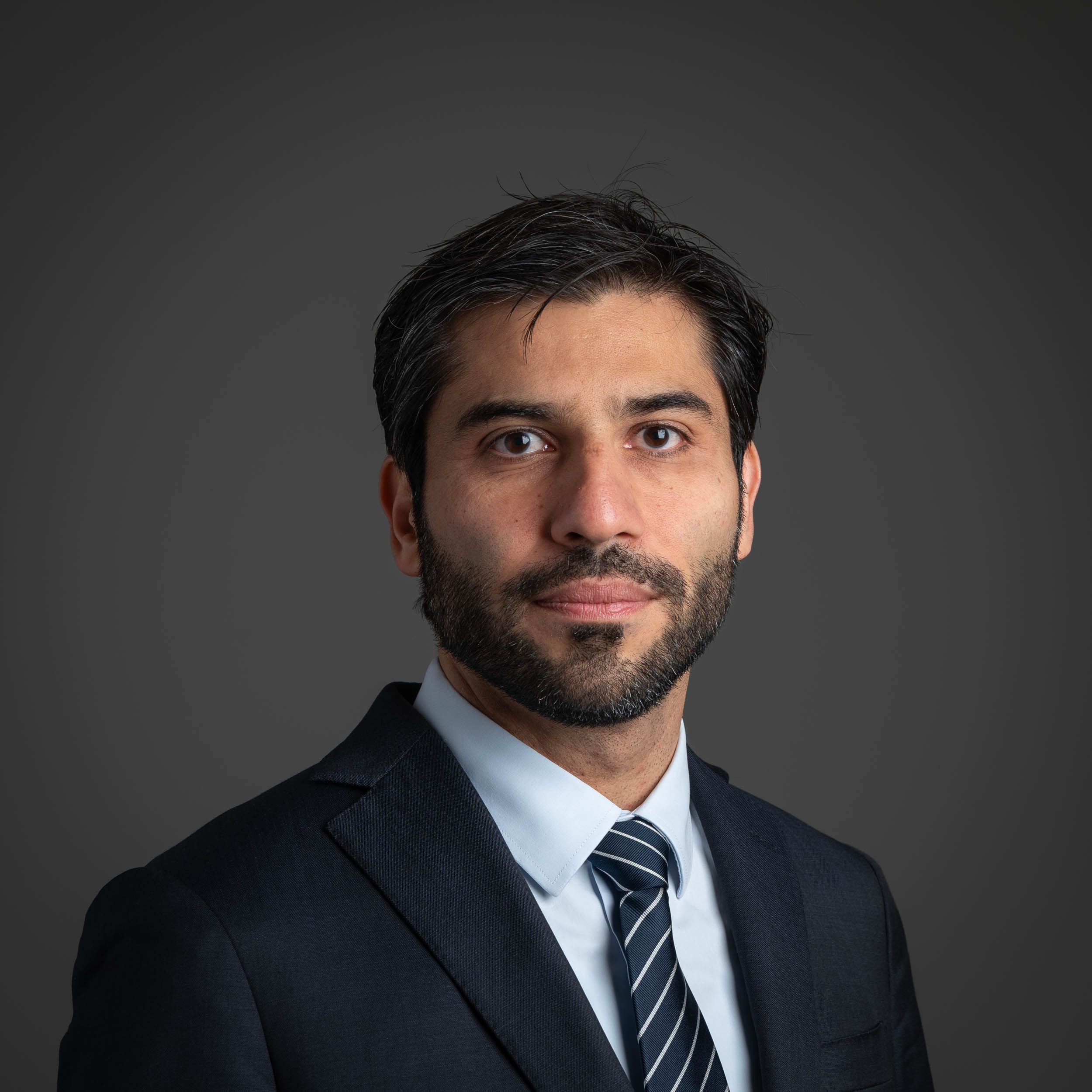
Alper Kanyilmaz
Associate Professor
A structure's future is decided long before it is built, and keeps being decided throughout its service life. Alper Kanyilmaz's research follows that whole arc: material choice and fabrication, structural assessment, maintenance, and the eventual reuse of components. The question running through it is how engineering decisions can deliver safety, environmental performance and resource efficiency together, rather than trading one against the others.
His work pairs computational analysis with physical testing to understand how structures behave, and examines how digital fabrication and manufacturing can change the way components are made. He leads research and training in artificial intelligence for structural engineering, applying machine learning to design and assessment problems.
Once a structure is in service, attention turns to its actual condition and response. Working with specialists in metrology and computer science, he connects engineering models with measured data. A recent line of research uses existing telecommunication fibre networks to sense structural vibrations, which could make monitoring possible through infrastructure that is already in the structures.
What unites these aspects is a single aim: better decisions at every stage in the life of buildings and infrastructure. That perspective shapes his teaching, his role as Expert Advisor to the European Commission's Steel Advisory Group, and his book Life Cycle Driven Structures (Wiley, 2026), which brings life cycle thinking into the design of steel, concrete, timber and hybrid structural systems.
The Units
S+ Lab
Group details
Research projects
MULTI-STABLE
Project detailsBriBotic
Project detailsMultiMAMSS - Multi-Material Additive Manufacturing
Project detailsERA4CH
Project detailsFORESIGHT
Project detailsConstructAdd
Project detailsLASTTS
Project detailsDISSIPABLE
Project detailsINNOSEIS
Project details