
Overall Objectives
RISES is a project coordinated by the Politecnico di Milano, specifically by our lecturer Claudio Del Pero, which involves a number of international research institutes. The main objective is to conduct industrial research to develop a methodological approach to provide affordable renewable energy to off-grid communities and urban areas in the Sahara and Sahel regions. The core technological solution is a modular, all-inclusive photovoltaic (PV) system that can be easily installed as a lightweight canopy on the flat roofs of typical North-African buildings, or on the ground as a shading/protective element, equipped with:
- Anti-soiling PV modules;
- Batteries for harsh weather conditions;
- A hybrid inverter for off-grid/on-grid operation;
- A smart control logic, with communication capabilities, to exchange data with other equipment deployed in the local area and with an external monitoring platform.
Study region
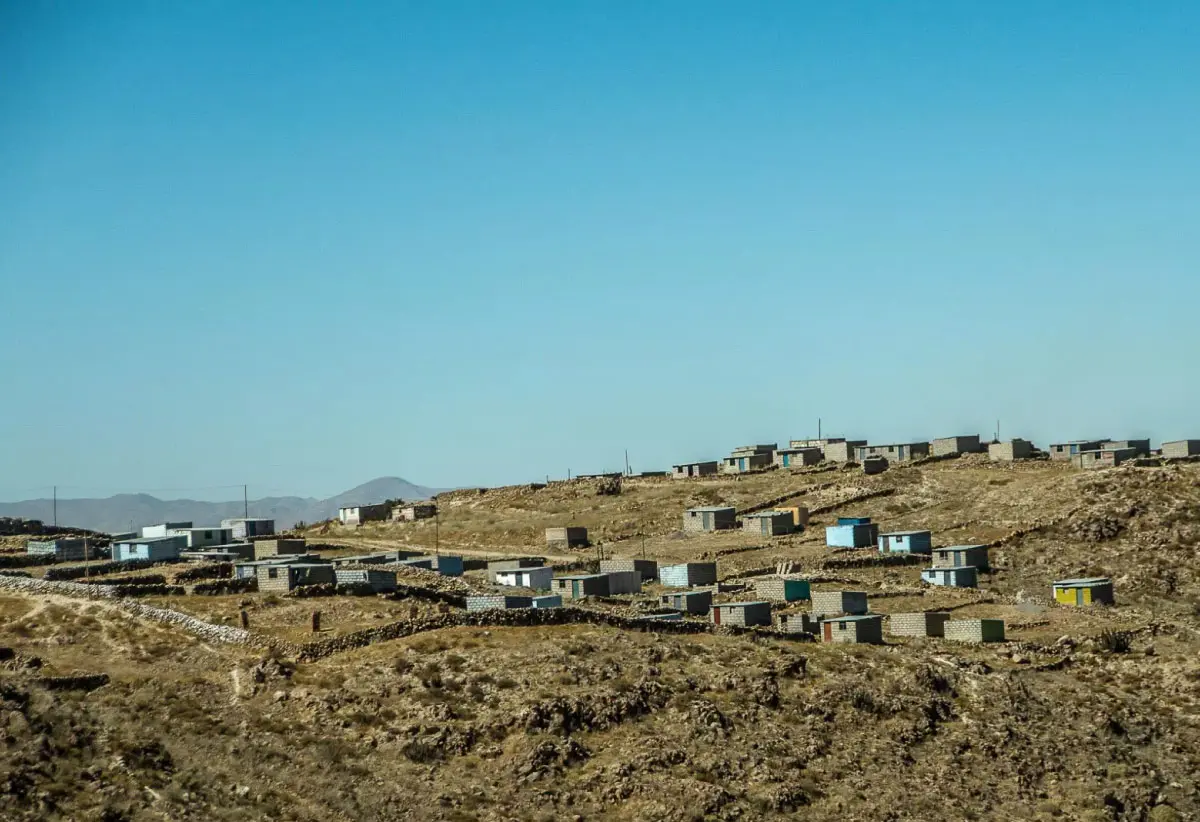
RISES targets off-grid communities and urban areas in the Sahara and Sahel regions.
What are the concrete actions that will be implemented?
The solution is delivered as a lightweight modular PV canopy optimised for desert conditions — installable on flat roofs, on the ground in open urban spaces or in agricultural fields as a protective/shading element — combined with a smart control and energy-management system able to create and manage small energy communities and to allow energy and data exchange.
What is the expected impact of the project?
- An innovative all-inclusive PV system installable as a lightweight modular canopy on the flat roofs of typical North-African buildings, or on the ground in open urban spaces or agricultural fields as a protective/shading element, with PV modules optimised for desert conditions, batteries and a hybrid inverter enabling off-grid/on-grid operation.
- A smart control / energy-management system that can easily create and manage small energy communities and allow energy and data exchange.
- Tailored business models ensuring the affordability of the solution even for the poorest communities, lowering upfront cost barriers and leveraging community energy sharing.
- Guidelines and capacity-building activities for all relevant stakeholders (designers, industry, technicians, labourers, investors, policymakers), supporting supply-chain creation through effective Pan-African and EU-Africa technology and knowledge transfer, as well as the development of professionalism and skills at various levels.